
Main Courses
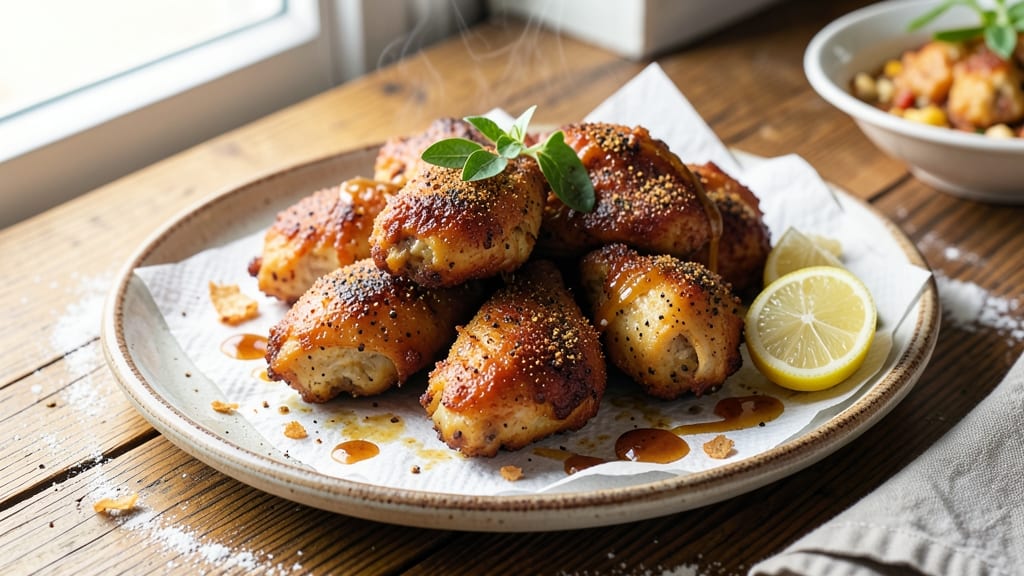
This African American Southern fried chicken recipe delivers the crispy skin and juicy meat that's become a cornerstone of Black Southern cuisine. 🔥 The buttermilk brine is the secret weapon—it tenderizes the meat while creating that signature golden crust.
I developed this version after years of perfecting the technique, drawing from family traditions and my time apprenticing in Charleston.
The key lies in the breading: a simple blend of flour, spices, and a touch of cornstarch for extra crunch. You'll need a deep fryer or heavy pot with enough oil to maintain 350°F—the perfect temperature for achieving that restaurant-quality crisp.
The buttermilk marinade works its magic overnight, ensuring every bite is tender and flavorful.
What you'll end up with is chicken that's crispy enough to stand up to a fork yet remains juicy inside, with a flavor profile that's both comforting and deeply satisfying. The spices—black pepper, paprika, and cayenne—create that signature Southern kick without overpowering the natural taste of the meat.
Serve with classic sides like mashed potatoes, collard greens, or hot sauce for the full experience. This recipe honors tradition while delivering foolproof results—exactly what you'd expect from a family gathering or Sunday dinner. Let's get started!
Ingredients for african american southern fried chicken
Buttermilk brine, crispy breading, and Southern spices—these ingredients create the perfect fried chicken.
| Ingredient | Amount | Notes |
|---|---|---|
| Whole Chicken Pieces 🍗 | 2 ½ lb | Thighs and drumsticks preferred |
| Buttermilk 🥛 | 2 cups | Full-fat for best flavor |
| All-Purpose Flour 🌾 | 2 cups | White or whole wheat |
| Cornstarch 🌾 | ½ cup | For extra crunch |
| Smoked Paprika 🌶️ | 2 tbsp | Key for authentic flavor |
| Ground Black Pepper 🌶️ | 1 ½ tbsp | Freshly ground preferred |
| Cayenne Pepper 🔥 | 1 tsp | Adjust for heat preference |
| Diamond Crystal Kosher Salt 🧂 | 2 tbsp | For brining and seasoning |
| Vegetable Oil 🫒 | 4 cups | High smoke point preferred |
| Fresh Garlic Cloves 🧄 | 4 cloves | Minced for marinade |
| Hot Sauce 🌶️ | 1 tbsp | Optional for extra kick |
| Lemon Juice 🍋 | 1 tbsp | Brightens flavor profile |
The chicken pieces matter most here—thighs and drumsticks stay juicier than breasts during frying. Local butcher shops often have the best cuts, but grocery store frozen chicken works too (thaw completely first). For the buttermilk, full-fat makes all the difference—it's richer and creates a better crust. I always grab organic when possible, but regular works fine. The garlic and hot sauce in the marinade are non-negotiable; they build that signature Southern flavor. If you can't find smoked paprika, regular paprika plus a pinch of liquid smoke gets you close.
No buttermilk? Mix 2 cups milk with 2 tbsp vinegar or lemon juice and let it thicken for 10 minutes. Short on cornstarch? Extra flour works, but you'll lose some crispiness. The spices—smoked paprika, black pepper, and cayenne—are the soul of this dish. Penzeys Spices has great options, but the grocery store stuff is fine if it's fresh. For the oil, peanut or vegetable oil both work—just keep it at 350°F for perfect frying. If you're feeling fancy, add a splash of bourbon to the marinade for depth (though I won't judge if you skip it).
The buttermilk marinade works best overnight—cover and refrigerate for maximum tenderness. The breading stays fresh for 2 days in the fridge, but the chicken itself? Fry within 4 hours of breading for best texture. Leftovers? Reheat in the oven at 375°F until crispy again. Store breaded pieces in a paper bag to keep them dry. This recipe makes enough for two meals—trust me, you'll want seconds.
Why You'll Love This Recipe
- No-Fuss Prep: I swear, this takes less effort than ordering takeout. Toss the chicken in buttermilk overnight (or even just 2 hours if you’re in a rush), then dip it in that flour-cornstarch mix with smoked paprika—no measuring cups, no fancy techniques. The hardest part is deciding whether to use thighs or drumsticks.
- Crispy-Creamy Magic: That buttermilk marinade does all the work—tenderizes the chicken while adding that signature Southern tang. The cornstarch gives it that perfect crunch, but don’t skip the flour; it’s what keeps the coating from falling apart. Trust me, the first bite is worth every second.
- Weeknight to Party: Same recipe, endless uses. Slap it on a biscuit for breakfast, pile it high for game day, or serve it family-style with collards and mac. Honestly, I’ve even rewarmed leftovers for lunch—just hit it with a little hot sauce, and no one’s the wiser.
- Budget Wins: Chicken thighs are cheaper than takeout, and this recipe stretches further than you’d think. Double the batch, freeze half, and you’ve got a 30-minute meal for months. Plus, the smoked paprika adds depth without costing a fortune—just a pinch makes all the difference.
Step-by-step instructions for buttermilk-brine fried chicken
Here's how to make legendary fried chicken with that perfect balance of crispy skin and juicy meat.
👨🍳 Step 1: Prepare the Buttermilk Brine
In a large bowl, combine the 2 cups buttermilk, 2 tbsp diamond crystal kosher salt, 1 tbsp hot sauce, and 1 tbsp lemon juice. Stir until the salt dissolves completely. This brine will tenderize the chicken and infuse it with deep flavor.
Place the 2.5 lb whole chicken pieces (thighs and drumsticks work best) in a resealable plastic bag. Pour the buttermilk brine over the chicken, making sure each piece is fully coated. Seal the bag and refrigerate for at least 4 hours or overnight. The longer it marinates, the more tender and flavorful the chicken will be.
👨🍳 Step 2: Make the Seasoned Flour Coating
In a large bowl, whisk together the 2 cups all-purpose flour, 0.5 cup cornstarch, 2 tbsp smoked paprika, 1.5 tbsp ground black pepper, and 1 tsp cayenne pepper. The cornstarch gives that extra-crispy texture we're after, while the smoked paprika adds that signature Southern flavor.
Remove the chicken from the buttermilk brine, letting any excess liquid drip off. Shake off any clinging liquid and pat the pieces dry with paper towels. This step is crucial—wet flour won't crisp up properly. Then, toss the chicken pieces in the seasoned flour mixture until they're fully and evenly coated.
🔥 Step 3: Heat the Oil for Frying
Fill a deep fryer or heavy pot with 4 cups vegetable oil and heat it to 350°F. Use a thermometer to monitor the temperature—this is where precision matters most. If the oil gets too hot, the chicken will burn before it cooks through.
While the oil heats, prepare your workspace. Have a wire rack set over a baking sheet ready for draining. The rack allows air to circulate underneath, keeping the chicken crispy instead of soggy. When the oil reaches 350°F, it should be shimmering but not smoking—this is the perfect frying temperature.
🍳 Step 4: Fry the Chicken to Golden Perfection
Carefully place the floured chicken pieces into the hot oil, working in batches if needed to avoid overcrowding. Fry for 12-15 minutes, turning occasionally, until the chicken reaches an internal temperature of 165°F and the skin is deep golden brown. Don't rush this step—the longer it fries, the crispier it gets.
You'll know it's done when the skin is crisp and the chicken releases easily from the flour coating. Transfer the fried chicken to the prepared wire rack to drain excess oil. Let it rest for 5 minutes before serving—this helps the juices redistribute, keeping the meat tender and moist.
🍽️ Step 5: Serve with Confidence
Serve the fried chicken immediately while it's still crispy. The skin should be golden and crunchy, while the meat inside remains juicy and tender. For extra flavor, sprinkle with additional smoked paprika or serve with a side of minced fresh garlic cloves for dipping.
This technique delivers that perfect balance of crispy skin and juicy meat that makes Southern fried chicken legendary. The buttermilk brine ensures tenderness, while the precise frying temperature guarantees that irresistible crunch. Enjoy every bite!
Pro Tips For Making African American Southern Fried Chicken
- DRY THE CHICKEN WELL: Pat those chicken pieces thoroughly with paper towels after buttermilk—no soggy crust here. I used to skip this, and my flour coating would slide off like it was greased. Five minutes of drying makes all the difference when frying.
- USE CORNSTARCH SPARINGLY: Mix 1-2 tablespoons cornstarch into your flour blend, but don’t go overboard. Too much makes the crust tough instead of crispy. My grandmother added a pinch of baking powder too—it lightens the coating without sacrificing texture.
- KEEP THE OIL HOT AND STEADY: 350°F is your sweet spot—hot enough to sizzle but not smoke like a wildfire. If you drop the temp mid-fry, the chicken will steam instead of brown. Use a thermometer and adjust the heat before adding more pieces.
- REST THE BUTTERMILK MARINADE: Let the chicken soak in buttermilk for at least 4 hours—or overnight if you’re patient. I tried 30 minutes once, and the coating fell apart. The longer it sits, the more tender the meat and the better the flavor absorption.
Common mistakes when making your african american southern fried chicken
Skipping the Brine
Never skip the buttermilk brine—it’s the secret to tender meat. I’ve seen home cooks rush this step and end up with dry, tough chicken.
The acid in buttermilk breaks down muscle fibers, while the salt and hot sauce infuse flavor deep into the meat. Minimum 4 hours is non-negotiable; overnight is ideal. If you’re short on time, at least 2 hours will help, but don’t expect the same level of tenderness. 🥛
Overcrowding the Fryer
Frying too many pieces at once drops the oil temperature, leading to greasy, unevenly cooked chicken. I’ve fried 6 pieces max in my 5-quart deep fryer—any more and the oil cools too fast.
Use a thermometer to monitor; if it drops below 325°F, remove pieces and let the oil recover. Patience here ensures that crispy skin we all crave. 🔥
Uneven Coating
Lumpy or thin breading ruins the texture. Before dredging, pat the chicken thoroughly dry with paper towels—wet spots prevent the flour from sticking properly. Shake off excess buttermilk and toss the pieces gently in the flour mixture, pressing lightly to adhere.
Double-dredging (dipping back in buttermilk then flour again) creates an extra-crispy crust, but it’s optional. 🌾
Wrong Oil Temperature
Frying at 375°F burns the outside before the inside cooks, while 325°F leaves the chicken greasy and undercooked. Invest in a candy or deep-fry thermometer—they’re cheap and game-changing.
Maintain 350°F consistently, and resist the urge to adjust the heat mid-fry. If the oil smokes, it’s too hot; let it cool slightly. ⚡
Not Resting the Chicken
Skipping the 5-minute rest after frying causes juices to spill out, leaving you with dry meat. Place the chicken on a wire rack over a baking sheet to drain excess oil while it rests.
This also keeps the skin crispy instead of soggy. Trust me, those 5 minutes make all the difference in flavor and texture. 💫
Using the Wrong Chicken Cuts
Breasts fry up dry and rubbery, while thighs and drumsticks stay juicy and flavorful. Stick to bone-in, skin-on pieces for the best results—they hold up better during frying and deliver that perfect balance of crispy skin and tender meat.
If you must use breasts, brine them overnight and fry them 2-3 minutes less than thighs. 🍗
Nutrition facts
Frequently asked questions
Why does this recipe use buttermilk instead of regular milk?
The buttermilk creates that signature tender texture through its acidity, which breaks down the chicken's proteins. It also adds depth of flavor that regular milk can't match. Plus, the fat content helps create a richer crust during frying.
Can I make this recipe with boneless, skinless chicken breasts?
You can try, but thighs and drumsticks are ideal for their juiciness and fat content. Breasts will dry out faster—brine them overnight and fry for only 10-12 minutes at 325°F to prevent toughness. For best results, stick with bone-in, skin-on pieces.
What's the best way to reheat leftover fried chicken?
Oven reheating at 375°F for 10-15 minutes on a wire rack preserves crispiness. Air fryers work too—350°F for 3-4 minutes. Avoid microwaving as it makes the skin soggy. For extra crunch, broil for 1-2 minutes at the end.
How do I adjust the spice level for kids?
Reduce the cayenne to ½ teaspoon or omit it completely. For extra mildness, use half the smoked paprika (1 tablespoon) and add ½ teaspoon garlic powder instead. The black pepper can stay as-is for flavor without heat.
What are the best sides to serve with this fried chicken?
Classic pairings include creamy mashed potatoes, collard greens with vinegar, buttery cornbread, or a simple green salad. For heat lovers, serve with hot sauce or pickled jalapeños. The smoky flavor of this chicken also complements mac and cheese or roasted sweet potatoes.