
Main Courses
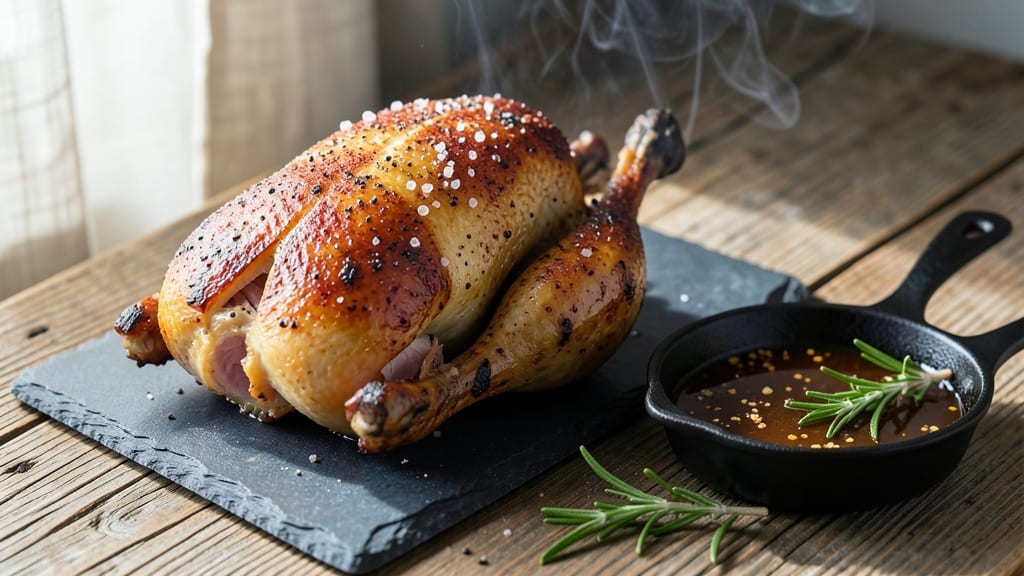
This Traeger chicken recipe unlocks the secret to turning basic ingredients into smoky, fall-off-the-bone perfection that rivals any pitmaster’s signature dish. After years of perfecting my grandmother's Sunday roast chicken, I adapted her techniques for the Traeger—where low-and-slow smoking unlocks deep, smoky flavor without drying out the meat.
The secret lies in the bold spice rub and precise temperature control, which we'll break down step by step.
This recipe delivers restaurant-quality results with just a few key techniques: a 3-hour smoke at 225°F using hickory pellets, followed by a quick sear at 350°F to lock in those charred edges. The spice rub—salt, pepper, paprika, and garlic powder—penetrates the meat while the wood smoke infuses every bite.
No fancy equipment needed beyond your Traeger and a meat thermometer to hit that perfect 165°F internal temperature.
By the time you're done, you'll have golden, crispy skin and tender, juicy meat that practically falls apart. The aroma alone will have everyone gathering around the table, and the flavor?
Worth every minute of wait time. This is the kind of dish that turns weeknight dinners into memorable meals—just like my grandmother used to make.
Serve with classic sides like cornbread or a fresh garden salad to complete the meal. The Traeger makes it easy to create standout dishes without the guesswork. Let's get started on this foolproof recipe that'll become your new go-to for smoked chicken.
Ingredients for traeger chicken
Four pounds of chicken, bold spices, and hickory smoke create restaurant-quality smoked perfection.
| Ingredient | Amount | Notes |
|---|---|---|
| Whole Chicken 🍗 | 4 lb | Bone-in, skin-on preferred |
| Hickory Wood Pellets 🌳 | 2 bags | For smoky flavor profile |
| Coarse Kosher Salt 🧂 | 2 tbsp | For even seasoning |
| Freshly Ground Black Pepper 🌶️ | 1 tbsp | For bold flavor |
| Smoked Paprika 🌶️ | 1 tbsp | For deep smoky notes |
| Garlic Powder 🧄 | 1 tbsp | For aromatic depth |
| Onion Powder 🧅 | 1 tbsp | For subtle sweetness |
| Extra-Virgin Olive Oil 🫒 | 2 tbsp | For crispy skin |
| Fresh Rosemary 🌿 | 1 whole | Chopped sprigs for aroma |
| Fresh Thyme 🌿 | 1 whole | Chopped sprigs for brightness |
| Apple Cider Vinegar 🍎 | 2 tbsp | For tenderizing |
| Yellow Onion 🧅 | 1 whole | Quartered for injection |
| Butter 🧈 | 2 tbsp | Unsalted, softened for basting |
The chicken is everything here. Bone-in, skin-on is non-negotiable—it holds up better to the long smoke and gives you that crispy skin. I always grab mine from Costco or my local butcher shop where they cut it fresh. Look for good marbling in the meat; that's what keeps it juicy. The hickory pellets? Traeger's own brand is solid, but Storebrand works just as well. Fresh herbs matter too—rosemary and thyme from the grocery store's produce section should smell vibrant, not wilted. If they're past their prime, skip them and use dried at half the amount.
No hickory pellets? Apple or cherry wood gives a sweeter, milder smoke. Short on fresh herbs? Dried rosemary and thyme at half the amount still works—just crush them between your fingers to release the oils. The apple cider vinegar might seem odd, but trust me, it tenderizes the meat beautifully. No butter for basting? Olive oil works in a pinch. For the spice rub, I always make a double batch—one for the chicken, one to save for next time. The smoked paprika is the star here; Penzeys has a great selection if you want to splurge, but the regular grocery store stuff is fine too.
This chicken reheats beautifully—just cover with foil and warm in the oven for 15 minutes. Keeps in the fridge for 4 days wrapped tightly, or freeze for 3 months in portions. I always make extra because it's perfect for sandwiches or salads later. The leftovers? Even better the next day as the flavors meld. Store the wood pellets in a cool, dry place—they last years unopened. The spice rub? Keep it in an airtight container for 6 months if you make extra.
Why You'll Love This Recipe
- Smoky Magic: That first bite? It’s like summer in a forkful. The hickory smoke seeps into the meat, giving it this deep, woodsy richness that’s not overpowering—just enough to make your taste buds sit up and take notice. And the paprika? It adds this subtle warmth that lingers, turning a simple chicken into something that tastes like it’s been slow-roasted all day.
- Leftovers That Don’t Suck: Between us, most leftover chicken is sad—dry, bland, or both. Not this. The Traeger keeps the meat juicy, so shredding it for tacos, sandwiches, or a pot of soup later? It’s still ridiculously good. I’ve eaten this chicken cold, reheated, and even in a grain bowl, and it never lets me down.
- Budget-Friendly Feast: A whole chicken is already a steal, but this method stretches it further. The smoky flavor makes it feel fancy enough for a dinner party, but the cost? A fraction of what you’d pay for pre-marinated chicken at the store. Plus, the leftovers feed me for days—no takeout runs, no last-minute grocery trips. Just pure, delicious efficiency.
Step-by-step instructions for smoked chicken on Traeger
Here's how to transform a simple whole chicken into juicy, charred perfection using your Traeger.
Prepare the Chicken for Maximum Flavor and Juiciness
Remove the whole chicken from its packaging and pat it completely dry with paper towels, both inside and out. This drying step is crucial—it helps the skin crisp up beautifully and prevents steam from interfering with the smoky flavor. Here's the thing—I always make a small cut in the base of the neck skin and gently loosen it from the meat. This creates a pocket where flavors can infuse during smoking.
Next, use a meat injector or a syringe to inject the quartered yellow onion and apple cider vinegar mixture into various parts of the chicken meat. I target the thickest portions of the breast and thighs, injecting about 10-12 times per area. This injection process tenderizes the meat and adds incredible depth of flavor. After injecting, let the chicken sit uncovered in the refrigerator for 30 minutes to allow the marinade to penetrate.
Create the Bold Spice Rub and Season the Chicken
In a small bowl, combine 2 tablespoons of coarse kosher salt, 1 tablespoon of freshly ground black pepper, 1 tablespoon of smoked paprika, 1 tablespoon of garlic powder, and 1 tablespoon of onion powder. Mix these ingredients thoroughly until you have a fine, even blend. This is your bold spice rub that will create that charred, flavorful bark on the outside while keeping the meat juicy inside.
Take the chicken out of the refrigerator and let it sit at room temperature for 20 minutes. This helps ensure even cooking. Then, generously coat the entire chicken with the spice rub, pressing it firmly into the skin so it adheres well. Don't forget the cavity—rub the spices inside as well. After seasoning, drizzle the 2 tablespoons of extra-virgin olive oil over the chicken and rub it in evenly. This oil will help create that beautiful crispy skin we're after.
Set Up and Smoke the Chicken
While the chicken is coming to room temperature, prepare your Traeger by filling the hopper with 2 bags of hickory wood pellets. Set the temperature to 225°F and allow the Traeger to preheat for at least 15 minutes. You'll know it's ready when you see clean, blue smoke coming from the chimney. This is the perfect temperature for smoking chicken—low enough to cook through gently, but high enough to develop that wonderful smoky flavor.
Once your Traeger is ready, place the chicken on the grill grates, breast-side up. Close the lid and resist the urge to open it during the first hour of cooking. I know it's tempting to check on your food, but every time you open the lid, you lose heat and extend the cooking time. Let the chicken smoke undisturbed for 2 hours, then use a meat thermometer to check the internal temperature in the thickest part of the thigh. It should read 165°F—this is when the chicken is fully cooked and juicy.
Baste and Finish for Extra Flavor
After the chicken reaches 165°F, it's time to baste it for extra flavor and moisture. In a small bowl, mix the 2 tablespoons of softened butter with the chopped sprigs of fresh rosemary and thyme. Using a pastry brush, generously coat the outside of the chicken with this butter mixture. The butter will melt and baste the chicken as it finishes cooking, adding richness and aroma.
Return the chicken to the Traeger and continue smoking for another 15-20 minutes. This final basting period helps create a glossy finish and ensures the skin stays crispy. The chicken is done when the skin is deep golden brown and crisp to the touch, and the internal temperature reaches 175°F in the thickest part of the thigh. This higher temperature ensures the connective tissues break down completely, making the meat especially tender.
Rest and Serve for Juicy Perfection
Once the chicken reaches the perfect internal temperature, remove it from the Traeger and transfer it to a cutting board. Let it rest, tented loosely with aluminum foil, for 20-30 minutes before carving. This resting period is absolutely essential—it allows the juices to redistribute throughout the meat, preventing them from running out when you cut into the chicken. If you skip this step, you'll end up with dry, disappointing meat.
After resting, carve the chicken into serving pieces and serve immediately. The result should be juicy, flavorful meat with beautifully charred skin and a deep smoky aroma. Each bite should deliver that perfect balance of smoky, spicy, and herby flavors we worked so hard to achieve. Pair it with your favorite sides and enjoy the fruits of your smoking labor—you've earned it!
Pro Tips For Making Traeger Chicken
- Cut the Skin First: That little pocket under the neck skin isn’t just for show—it’s where the real flavor magic happens. I learned this the hard way after dry, bland chicken that never quite lived up to the hickory promise. Loosen the skin early, and those injected onion-vinegar juices will seep right into the meat while the spices crisp on top.
- Don’t Rush the 225°F: I used to crank the Traeger to 250°F to speed things up, but the skin would burn before the thighs hit 165°F. Stick to 225°F—it’s the sweet spot where the hickory wood infuses without rushing the cook. The first hour is the most critical; let the smoke work its slow, deep magic.
- Inject Like a Surgeon: Dumping the onion-vinegar mix into the cavity won’t cut it. Aim for 10-12 precise injections into the thickest parts of the breast and thighs—no more, no less. Too few spots means flavor hiding; too many and you’ll end up with a waterlogged mess. A meat injector makes this easy, but a clean syringe works in a pinch.
- Butter Last, Not First: I used to mix the softened butter into the spice rub, thinking it’d help crisp the skin faster. Wrong. That butter melts too early, turning your rub into a sticky glop. Save it for the final 15-20 minutes—when it bastes the chicken with rosemary and thyme, locking in that smoky aroma while the skin crisps to perfection.
Essential equipment for great traeger chicken
Traeger Essentials
Your Traeger is the star here, but a few key accessories make all the difference. First, a meat thermometer is non-negotiable—I swear by the ThermoWorks Smoke for its dual probes. One monitors your smoker's temperature while the other tracks the chicken's internal temp.
I also keep a meat injector handy (like the Oster 2-in-1) for the onion-vinegar injection step—it's a game-changer for flavor penetration. 🌡️
Wood Pellet Basics
Hickory is my go-to for this recipe, but don't limit yourself. Traeger's own pellets are reliable, though I've had great success with Storebrand's hickory too. For a sweeter profile, swap in apple or cherry wood—just know they burn faster.
Store your pellets in an airtight container away from moisture to preserve their flavor. I keep mine in a 5-gallon bucket with a gamma seal lid under my Traeger.
Spice Rub Tools
A mortar and pestle is perfect for crushing dried herbs, but a clean spice grinder works in a pinch. For fresh rosemary and thyme, I use a sharp chef's knife to chop them finely.
Store your spice rub in an airtight container—I repurpose a small mason jar with a tight lid. This keeps the spices fresh for up to 6 months without losing potency. 🌿
Basting Supplies
Softened butter is key for that final basting step. I melt mine in a small saucepan over low heat with the herbs, then transfer to a pastry brush for easy application. A silicon brush is my favorite because it holds more butter and won't leave bristle marks.
For extra crispiness, I sometimes use a tongs to press the skin gently against the grill grates during the last few minutes.
Resting Station
After smoking, let your chicken rest on a cutting board or wire rack to prevent soggy skin. I always tent it loosely with aluminum foil—this keeps it warm while allowing air circulation.
For larger chickens, a cooling rack in a half-sheet pan works perfectly. This setup also makes carving easier, especially when serving family-style. 🍽️
Budget-Friendly Swaps
No fancy tools? No problem. Use a syringe (from a pharmacy) for injections instead of a meat injector. For basting, a clean paintbrush works surprisingly well. A digital kitchen thermometer (like OXO's Good Grips) is cheaper than a dual-probe model but still accurate.
Even a butter knife can help spread spices if you're short on tools. The key is working with what you have—my first chicken was smoked with just a spoon and a timer!
Nutrition facts
Frequently asked questions
Can I use bone-in, skin-on chicken thighs instead of a whole chicken?
Bone-in thighs work beautifully on the Traeger. For a 4-pound equivalent, use about 6-8 large thighs. The cooking time will be shorter—typically 1.5-2 hours at 225°F—but follow the same spice rub and basting steps. Thighs stay juicier than breasts, so they're perfect for beginners.
What if my Traeger isn't reaching 225°F?
First, check your pellets aren't clumped or damp. If the temp still won't stabilize, try these fixes: clean the firepot, check your gasket for gaps, or reduce the fan speed. For stubborn low temps, add 1/2 cup of pellets at a time until you hit your target. Never exceed 250°F for chicken—it risks drying out.
How do I prevent the chicken from drying out?
Three key tricks: Don't skip the rest (20-30 minutes is non-negotiable), keep the lid closed during smoking, and baste with butter in the final 15 minutes. For extra moisture, inject the chicken with apple cider vinegar (as in the recipe) or wrap it in foil for the last 30 minutes if it's browning too fast.
Can I make this in a Traeger grill instead of a smoker?
Yes! Just swap the 225°F smoke for 300°F direct grill heat and reduce time to 45-60 minutes. Use the same spice rub and basting method. The grill's airflow will crisp the skin faster, so watch closely after 30 minutes to avoid burning.
What are the best sides for this smoked chicken?
Classic pairings include cornbread, mac and cheese, or a crunchy coleslaw. For a lighter option, try roasted sweet potatoes or a fresh garden salad with a tangy vinaigrette. The smoky flavor works especially well with creamy or slightly sweet sides that balance its richness.