
Main Courses
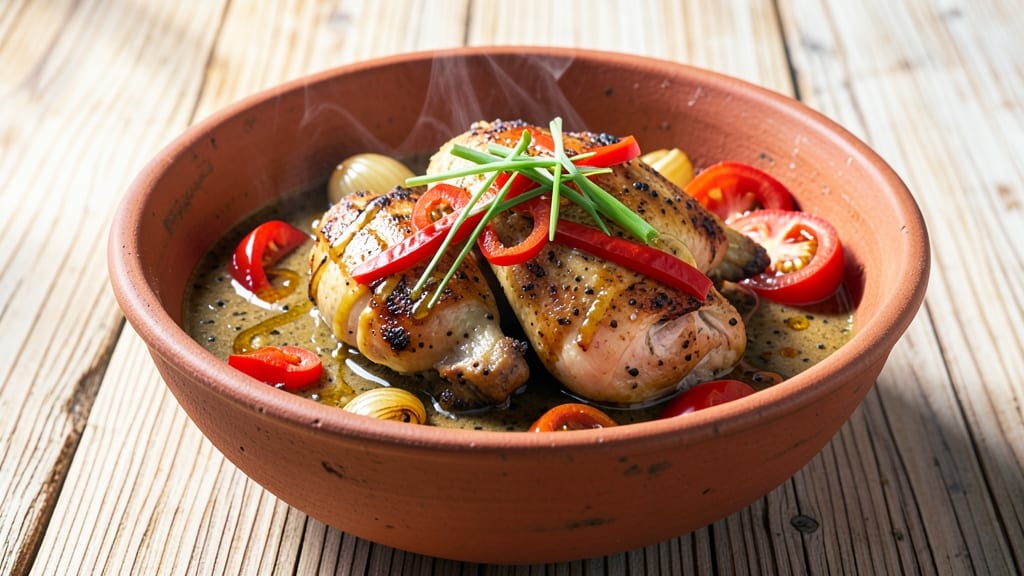
This chicken egusi recipe delivers the rich, nutty comfort of West African home cooking in every hearty spoonful. The secret lies in the egusi paste—ground melon seeds that transform a simple stew into something deeply satisfying, with a velvety texture and complex earthy flavor.
I first discovered this dish during a visit to Lagos, where it became a staple for family gatherings, and now it’s the recipe I reach for when I need warmth in a bowl.
The process starts with blending fresh melon seeds into a smooth paste, then building a robust broth from chicken, tomatoes, and aromatic spices. What sets this apart is the balance—savory from the chicken, tangy from the palm oil, and nutty from the egusi, all coming together in a slow simmer.
The result is a stew that’s both comforting and sophisticated, perfect for feeding a crowd or savoring on its own.
By the time you serve it, you’ll have tender chicken pieces swimming in a thick, aromatic sauce with just the right amount of bite. The egusi adds a depth that store-bought soups can’t match, while the blend of peppers and onions brings layers of flavor that keep it exciting.
Serve it with jollof rice or pounded yam for the full experience—this is the kind of meal that feels like home.
This recipe isn’t just about taste; it’s about tradition. The slow cooking method ensures every ingredient contributes, and the final dish is rich enough to feed a family but simple enough for weeknight dinners.
Whether you’re cooking for guests or treating yourself, this chicken egusi stew delivers the kind of comfort that lingers long after the last bite.
Ingredients for chicken egusi
A handful of West African staples. Nutty, rich, and deeply comforting in every bite.
| Ingredient | Amount | Notes |
|---|---|---|
| Chicken Thighs 🍗 | 2 ½ lb | Bone-in, skin-on preferred |
| Egusi Seeds 🌰 | 1 cup | Raw, unsalted melon seeds |
| Red Bell Pepper 🌶️ | 1 whole | Seeds removed, chopped |
| Yellow Onions 🧅 | 2 whole | Medium size, chopped |
| Fresh Tomatoes 🍅 | 4 whole | Medium size, chopped |
| Palm Oil 🫒 | ½ cup | Red palm oil preferred |
| Fresh Ginger 🌿 | 2 tbsp | Grated, fresh preferred |
| Garlic Cloves 🧄 | 8 cloves | Peeled, minced |
| Scotch Bonnet Peppers 🌶️ | 2 whole | Seeds removed, chopped |
| Fish Stock 🐟 | 2 cups | Homemade or quality store-bought |
| Fresh Basil Leaves 🌿 | ¼ cup | Chopped, for garnish |
| Salt 🧂 | 1 ½ tsp | Adjust to taste |
| Black Pepper 🌶️ | ½ tsp | Freshly ground |
| Locust Beans 🌱 | ½ cup | Soaked overnight, optional |
| Uziza Seeds 🌰 | 1 tbsp | Ground, optional for extra richness |
Egusi seeds are the heart of this stew—look for them at African markets or well-stocked grocery stores like Whole Foods. If you can't find raw seeds, egusi paste works in a pinch, but fresh is ideal for that authentic texture. The palm oil makes all the difference: red palm oil gives the signature color and flavor, while regular palm oil is a milder substitute. Chicken thighs stay juicier than breasts during the long simmer, and bone-in pieces add extra richness to the broth. For the ginger and garlic, fresh is non-negotiable—dried just won't cut it here.
No scotch bonnet peppers? Habanero or jalapeño at half the amount brings some heat, but you can skip them entirely for a milder stew. Running short on fish stock? Chicken stock works too, though it'll be less authentic. The locust beans (iru) add that signature umami depth—if you can't find them, soy sauce or mushroom powder can mimic it. For the tomatoes, canned San Marzano is a great shortcut if fresh isn't available. The uziza seeds? Skip them if you can't find them—this stew still shines without them.
This stew tastes even better the next day as flavors meld. Store leftovers in an airtight container in the fridge for up to 5 days, or freeze for 3 months. I like to portion it into containers with rice—just reheat with a splash of water or stock. The egusi paste can be made ahead and stored in the fridge for 1 week or frozen for 6 months. Double the batch if you're feeding a crowd—it disappears fast!
Why You'll Love This Recipe
- One-Pot Magic: I swear by this recipe when I’m too tired to scrub a million dishes—just one pot, minimal cleanup, and that nutty aroma from the toasted egusi seeds fills the whole house. The chicken thighs fall apart with just 30 minutes of simmering, and the palm oil base does half the work for you.
- Nutty, Smoky, Irresistible: Between us, the moment you toast the egusi seeds and stir them into the palm oil, you’re hooked. That deep, earthy flavor from the seeds, balanced by the bright scotch bonnet peppers and sweet red bell pepper, is what makes this stew dangerously addictive. The uziza seeds (if you use them) add this hidden richness that feels like a secret handshake.
- Weeknight Hero: Honestly, this is my go-to when I need something hearty but don’t want to slave over it. The fish stock and locust beans give it that restaurant-quality depth, but it’s ready in under an hour—perfect for when the kids are home or you’ve got friends dropping by. Serve it with rice or bread, and you’ve got a full meal without the fuss.
- Leftovers That Don’t Let You Down: I make this on Sundays because it tastes even better the next day—yes, really. The flavors meld into something richer, and the egusi paste thickens just enough to make every bite satisfying. Store it for up to 5 days in the fridge, or freeze it for 3 months, and you’ve got a pantry staple that’s both budget-friendly and foolproof.
Step-by-step instructions for chicken egusi stew
This hearty Nigerian dish delivers rich, nutty depth with tender chicken and aromatic spices.
Prepare the Chicken and Base Ingredients
Pat the 2.5 lb chicken thighs dry with paper towels and season generously with 1.5 tsp salt and 0.5 tsp black pepper. Set aside. In a large pot, heat 0.5 cup palm oil over medium heat until shimmering. Add 2 whole yellow onions and sauté for 3-4 minutes until golden brown.
Add the 2 whole scotch bonnet peppers and 4 whole fresh tomatoes (chopped), cooking for 5 minutes until the tomatoes soften. Stir in the 2 tbsp fresh ginger and 8 cloves garlic cloves, cooking for 1 minute until fragrant. This aromatic base forms the flavor foundation of your stew.
Toast the Egusi and Locust Beans
In a dry skillet over medium heat, toast the 1 cup egusi seeds for 2-3 minutes, stirring constantly, until they release their nutty aroma. Remove and set aside. In the same skillet, lightly toast the 0.5 cup locust beans (if using) for 1 minute until warm.
Here's the thing—properly toasting these seeds enhances their natural flavors. If you skip this step, you'll miss that rich, toasted nutty depth that makes this stew special. Transfer both toasts to your pot with the onion-tomato mixture, stirring well to combine.
Simmer the Stew with Uziza Seeds
Gradually add the 2 cups fish stock to the pot, stirring to dissolve the toasted seeds. Bring to a gentle boil, then reduce heat to low. Add the seasoned chicken thighs, cover, and simmer for 30 minutes. Here's where the magic happens: stir in the 1 tbsp uziza seeds (if using) and let it cook for another 10 minutes.
The uziza seeds add an extra layer of richness that balances the stew's earthy flavors. If you're using the optional locust beans, they'll soften during this time, adding a subtle sweetness. Keep the heat low to prevent the stew from curdling.
Finish with Red Bell Pepper and Basil
After 40 minutes of total simmering, add the 1 whole red bell pepper (chopped) and 0.25 cup fresh basil leaves. Simmer uncovered for another 10-15 minutes until the chicken is tender and the sauce has thickened slightly. Taste and adjust seasoning with additional salt if needed.
The red bell pepper adds a touch of sweetness that brightens the rich stew, while the basil provides a fresh finish. The chicken should be fork-tender with minimal resistance. If the stew is too thick, add a splash of water or fish stock to reach your desired consistency.
Pro Tips For Making Chicken Egusi
- TOAST EGUSI UNTIL IT SINGS: I learned this the hard way—skipping the toast makes the stew taste flat. Heat that dry skillet to medium and stir those egusi seeds constantly for the full 2-3 minutes until they smell like toasted nuts. That aroma? That’s the soul of your dish.
- SALT CHICKEN BEFORE SEARING: Season those 2.5 lb chicken thighs with 1.5 tsp salt and 0.5 tsp black pepper before they hit the pot. The skin will crisp better, and the meat stays juicier—no more dry, bland bites after simmering.
- LOW HEAT OR SAUCE CURDLES: After adding the fish stock, keep the heat low once it boils. I used to rush it, and the sauce would split like a bad joke. Gentle simmer = smooth, velvety stew. Patience here makes all the difference.
- CHOP RED BELL PEPPER LAST: Hold off on adding the red bell pepper until the final 10-15 minutes—it softens fast and turns mushy if cooked too long. A bright, crisp bite of pepper at the end cuts through the richness. Trust me, it’s worth the wait.
Common mistakes when making your chicken egusi
Skipping the Toast
Toast those egusi seeds and locust beans for 2-3 minutes—this step unlocks their nutty, toasted depth. I’ve seen beginners skip this, and the result? A stew that tastes flat and underdeveloped.
The seeds release their natural oils when toasted, which is what gives this dish its signature richness. If you rush this step, you’ll miss the heart of the flavor profile. 🌰
Overcrowding the Pot
Your pot should be large enough to hold all ingredients without overflowing. I’ve made this mistake with 2.5 lb chicken thighs and a crowded pot, leading to a stew that’s watery and lacks thickness.
Use a pot that’s at least 6-8 quarts—this ensures the sauce can thicken properly as it simmers. If you’re unsure, start with a larger pot and reduce if needed.
Adding Chicken Too Early
Don’t add the chicken to the pot until after you’ve built the flavor base with onions, tomatoes, and spices. I’ve seen people toss in the chicken right away, and the result is bland, underseasoned meat.
Let the base cook for 5-6 minutes first—this ensures the chicken absorbs all those rich, aromatic flavors. The 30-minute simmer afterward is what makes the chicken truly tender and flavorful.
Ignoring the Uziza Seeds
If you’re using 1 tbsp uziza seeds, don’t add them too late in the cooking process. They need time—about 10 minutes—to infuse their earthy richness into the stew. I’ve seen people add them at the very end, and the flavor just doesn’t integrate well.
The seeds work their magic during the simmer, so plan ahead and add them early in the final cooking phase.
Rushing the Simmer
This stew needs patience. A 40-minute simmer is non-negotiable—it’s what transforms the ingredients into a cohesive, flavorful dish. I’ve tried cutting corners and ended up with a stew that was either too thin or had raw-tasting locust beans.
Keep the heat low and let the flavors meld. The longer it simmers, the better it tastes, especially the next day. ⏳
Over-Salting the Chicken
Season the 2.5 lb chicken thighs with 1.5 tsp salt and 0.5 tsp black pepper, but don’t overdo it. I’ve seen people double the salt, and the chicken ends up tasting harsh.
The stew’s depth comes from the spices and umami ingredients, not just salt. Taste the broth as it simmers and adjust gradually—you can always add more salt, but you can’t take it out.
Nutrition facts
Frequently asked questions
What makes this stew different from other West African chicken dishes?
The key lies in the egusi seeds—ground melon seeds that create a thick, nutty base unlike any other. While dishes like jollof rice or pepper soup use tomatoes or peppers as primary flavor builders, this stew relies on the toasted egusi for its signature depth. The combination of palm oil, locust beans, and uziza seeds creates a rich, earthy profile that's distinctly different from lighter tomato-based stews.
Can I substitute bone-in chicken thighs for boneless?
You can, but the flavor and texture will differ. Bone-in thighs stay juicier and infuse more flavor into the broth during the 30-minute simmer. Boneless thighs will cook faster, so reduce simmering time to 20-25 minutes to avoid dryness. For best results, use bone-in chicken and reserve the bones to make extra fish stock for future batches.
How do I make the egusi paste if I can't find whole seeds?
Store-bought egusi paste works in a pinch, but for freshness, blend 1 cup raw egusi seeds with 1 cup hot water until smooth. Let it cool, then strain through a fine-mesh sieve to remove any grit. The paste should be thick and smooth—add a splash of water if needed. Toasting the seeds first (as in the recipe) enhances flavor even when using paste.
What's the best way to serve this stew?
Pair it with jollof rice or pounded yam for the full Nigerian experience. The rice soaks up the rich sauce beautifully, while pounded yam adds a starchy contrast. For a lighter option, serve with fufu or garri. Garnish with fresh basil leaves and a drizzle of extra palm oil just before serving to elevate the presentation.
Can I make this stew in a slow cooker?
Follow the same steps for building the flavor base, then transfer everything to the slow cooker. Cook on low for 4-5 hours or high for 2-3 hours, stirring occasionally. The slow cooker's gentle heat helps the egusi and locust beans meld perfectly. Just add the uziza seeds during the last 30 minutes to prevent overcooking.