
Main Courses
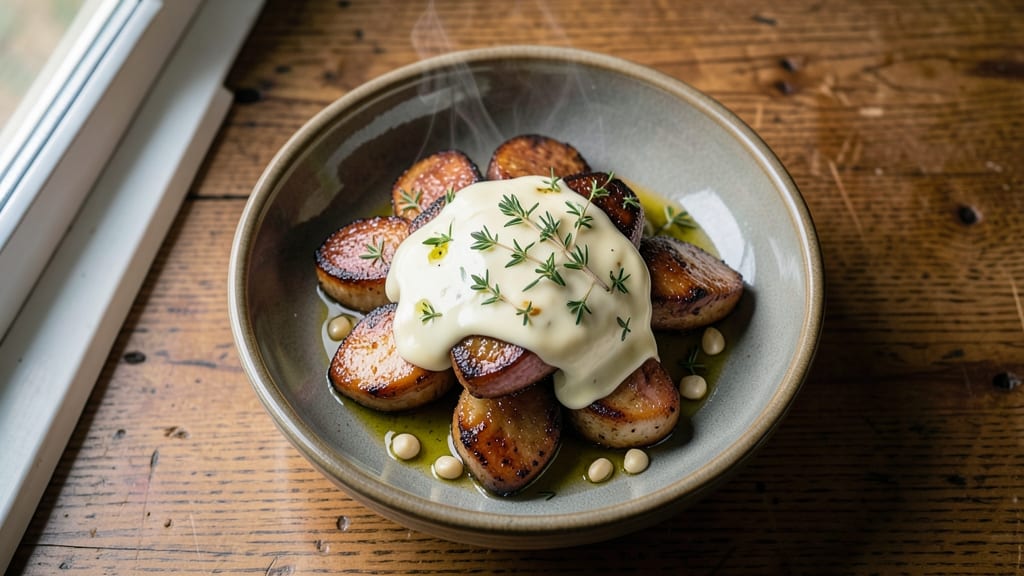
This chicken liver and gizzard recipe transforms humble offal into a luxurious, restaurant-worthy dish with just the right balance of crispy edges and tender, herby centers. After years of perfecting the technique, I’ve developed a method that delivers foie gras-level richness without the fuss of traditional French preparation.
The secret lies in proper cleaning, precise seasoning, and a two-stage cooking process that ensures every bite is perfectly textured.
What sets this recipe apart is its versatility—whether you prefer classic pan-searing with butter and herbs or a modern twist with air-frying and spicy marinades, the result is consistently decadent yet approachable.
The gizzards add a satisfying chew, while the livers melt into velvety perfection, all coated in a fragrant blend of garlic, thyme, and a touch of lemon. This dish proves offal doesn’t have to be intimidating; with the right technique, it becomes a bold, flavorful centerpiece for any meal.
By the time you’re done, you’ll have a plate that looks as impressive as it tastes—golden-brown gizzards with crispy exteriors and tender interiors, paired with livers that are silky and rich, not gamey.
The herby crisp adds a final touch of elegance, making this dish feel like a special occasion without requiring hours in the kitchen. Ready to elevate your cooking repertoire? Let’s get started.
This recipe works beautifully as a standalone main course or alongside roasted potatoes and a crisp green salad. The leftovers, if there are any, reheat wonderfully in a skillet with a splash of broth.
For those new to offal, don’t be daunted—the preparation is straightforward once you know the tricks, and the payoff is unmatched flavor and texture.
Ingredients for chicken liver and gizzard
Transform humble offal into restaurant-worthy decadence with these carefully selected ingredients.
| Ingredient | Amount | Notes |
|---|---|---|
| Chicken Livers 🍗 | 1 ¼ lb | Fresh, trimmed of connective tissue |
| Chicken Gizzards 🍗 | 1 ¼ lb | Cleaned, trimmed of membranes |
| Unsalted Butter 🧈 | ½ cup | Cold, cut into 1-inch cubes |
| Extra-Virgin Olive Oil 🫒 | 2 tbsp | For searing, high smoke point |
| Fresh Thyme Leaves 🌿 | ¼ cup | Finely chopped, stems removed |
| Garlic Cloves 🧄 | 6 cloves | Minced, skin removed |
| Lemon Zest 🍋 | 1 tbsp | From organic, unwaxed lemon |
| Diamond Crystal Kosher Salt 🧂 | 1 ½ tsp | For curing and seasoning |
| Freshly Ground Black Pepper 🌶️ | 1 tsp | Coarsely cracked |
| Panko Breadcrumbs 🍞 | ½ cup | Japanese-style, for crisp |
| All-Purpose Flour 🌾 | ¼ cup | For dredging |
| Fresh Parsley Leaves 🌿 | 0.15 cup | Chopped, for garnish |
| Dry White Wine 🍷 | ¼ cup | Sauvignon Blanc preferred |
| Chicken Stock 🍲 | ½ cup | Homemade, reduced |
The quality of your offal makes all the difference. Whole Foods Market or trusted butchers are ideal sources for both livers and gizzards—look for pieces that are bright red and firm, not discolored or slimy. If using frozen, thaw overnight in the fridge, never at room temperature. For the butter, Plugrá or European-style brands deliver superior flavor, while Trader Joe's offers an excellent budget-friendly alternative. Fresh herbs should be vibrant green with no wilting, and the thyme should have a strong, aromatic scent. Garlic cloves should be plump and firm, not sprouting or soft.
Substitutions require precision to maintain balance. If you can't find fresh thyme, dried thyme at one-third the amount works, but the flavor will be subtler. For the wine, dry vermouth or additional chicken stock can replace it entirely, though the acidity will differ. Using pre-minced garlic? Toast it first in olive oil to deepen its flavor. The panko can be swapped for regular breadcrumbs plus a pinch of baking powder for extra crispiness. If you're avoiding gluten, a mix of almond flour and crushed cornflakes creates a suitable alternative. For those without white wine, apple cider vinegar diluted with water provides a similar acidity profile.
Proper storage extends freshness and maintains quality. Cleaned offal can be refrigerated for 2 days before cooking, while prepped herbs keep for 5 days wrapped in damp paper towels. The butter should remain cold until ready to use—place it in the freezer for 15 minutes if your kitchen is warm. Leftover offal reheats beautifully in a skillet with a splash of broth or wine, regaining its crispy exterior. For long-term storage, freeze cooked portions in airtight containers for up to 3 months. The herby crisp can be prepped ahead and stored at room temperature for 3 days or frozen for 1 month.
Why You'll Love This Recipe
- Crispy in Minutes: I swear by that 30-minute fridge cure—it’s the secret to gizzards that stay tender while the panko turns into shatteringly crisp gold. No waiting hours, just a quick massage and a chill while you prep the rest.
- Sauce That Sticks: That butter-wine-thyme sauce? It’s the real MVP. The moment you spoon it over the seared offal, it clings like glue—rich from the melted butter, bright from the wine, and fragrant with thyme. One bite and you’ll forget it’s "offal."
- Weeknight Crowd-Pleaser: Between us, this feeds four without breaking the bank, and it’s the kind of dish that makes guests ask, "What is this?!" before taking seconds. Serve it with crusty bread or over polenta—it’s that adaptable.
- Budget-Friendly Protein: A pound of livers and gizzards goes further than chicken thighs, and the flavor? Way more satisfying. Plus, the offal keeps for 2 days prepped—no waste, just flavor-packed leftovers for sandwiches or fried rice. Smart cooking.
Step-by-step instructions for chicken liver and gizzard preparation
Master this technique for restaurant-quality texture and flavor in every bite.
Cure and Prepare the Offal
In a large bowl, combine the 1.25 lb chicken livers and 1.25 lb chicken gizzards with 1 tbsp lemon zest, 1.5 tsp diamond crystal kosher salt, and 1 tsp freshly ground black pepper. Gently massage the mixture with your hands for 2-3 minutes to ensure even distribution of seasoning. This curing process tenderizes the meat and prevents bitterness.
Transfer the seasoned offal to a plate and refrigerate uncovered for 30 minutes. This brief drying period helps develop a better crust during searing. Real talk: Don't skip this step—it's what transforms tough gizzards into melt-in-your-mouth perfection.
Dredge and Sear for Maximum Crisp
Set up two stations: one with the 0.25 cup all-purpose flour and another with the 0.5 cup panko breadcrumbs. Lightly dredge each piece of offal first in the flour, shaking off any excess, then press firmly into the panko to create an even, crisp coating. This double-dredging technique ensures both texture and flavor adhesion.
Heat 2 tbsp extra-virgin olive oil in a large skillet over medium-high heat until shimmering. Working in batches to avoid overcrowding, add the dredged offal and sear for 3-4 minutes per side until deeply golden brown and crisp. You'll see the panko develop a beautiful caramelized crust—that's your signal they're ready. Transfer to a paper towel-lined plate to drain excess fat.
Deglaze and Build the Herby Sauce
Reduce heat to medium and add the 0.5 cup cold unsalted butter to the skillet. Let it melt completely, scraping up any browned bits from the bottom with a wooden spoon. This step captures all the concentrated flavors you worked so hard to develop.
Add the 6 minced garlic cloves and 0.25 cup finely chopped fresh thyme leaves, cooking for 1 minute until fragrant. Pour in the 0.25 cup dry white wine and simmer for 2 minutes until reduced by half. The alcohol will cook off, leaving behind just the wine's essence. Here's where it gets fun—add the 0.5 cup chicken stock and bring to a gentle simmer.
Finish with Herbs and Garnish
Return the seared offal to the skillet and spoon the herby sauce over them. Simmer gently for 3-4 minutes until the sauce thickens slightly and coats the back of a spoon. The offal should be heated through but not overcooked—you want that crisp crust to remain intact.
Remove from heat and stir in the 0.15 cup chopped fresh parsley leaves. Taste and adjust seasoning if needed, though the curing process should have already balanced the flavors. Serve immediately, garnished with additional parsley, while the crust remains perfectly crisp and the sauce clings beautifully to each piece.
Pro Tips For Making Chicken Liver And Gizzard
- Trim Like a Pro: Gizzards and livers hide their best flavor in the connective tissue—don’t just eyeball it. Use kitchen scissors to snip away membranes and silverskin, then rinse under cold water. I used to skip this, and my first batch tasted like I’d cooked leather instead of meat.
- Butter Needs to Stay Cold: That 0.5 cup of cold butter isn’t just flavor—it’s the sauce’s backbone. If your kitchen’s warm, freeze the cubes for 15 minutes before adding them to the skillet. Melted butter in the sauce? You’ll end up with something greasy instead of rich and velvety.
- Don’t Rush the Wine Reduction: The 0.25 cup of white wine needs those full 2 minutes to reduce by half—no cutting corners. Skimping here means raw alcohol flavor lingering in your sauce. I learned this after serving a batch that tasted like a cheap martini instead of herby perfection.
- Press Hard on the Panko: That 0.5 cup of panko won’t crisp up properly if you just dust it on. Press each piece firmly into the flour first, then really press it into the panko—like you’re sealing a deal. The difference between a sad crumb and a golden crust is all in the pressure.
Serving suggestions for this recipe
Elegant Plating
Arrange the seared offal on a white porcelain plate to highlight its golden crust. Place the gizzards in a fan shape at the center, with livers clustered around them. Drizzle the herby sauce in a zigzag pattern over the top for visual appeal.
A sprinkle of fresh parsley leaves adds a pop of color and freshness. For extra flair, add a lemon wedge on the side to emphasize the bright citrus notes in the dish. 💫
Classic Side Pairings
Serve with creamy mashed potatoes made from Yukon Gold potatoes and 1 tbsp unsalted butter per cup. Their smooth texture contrasts beautifully with the crispy offal. A simple arugula salad with 1 tbsp lemon juice and 2 tbsp olive oil adds a peppery crunch that cuts through the richness.
For a heartier option, try roasted fingerling potatoes tossed with rosemary and sea salt.
Bread Service
Offer crusty sourdough bread or baguette slices on the side for soaking up any remaining sauce. Warm the bread in the oven for 5 minutes at 350°F to enhance its texture.
A garlic butter dip made with 2 tbsp softened butter, 1 minced garlic clove, and a pinch of kosher salt elevates the experience. This adds an interactive element to your meal, letting guests customize their bites. 🍞
Wine and Beverage
Pair your dish with a dry white wine like Sauvignon Blanc or Chardonnay to complement the herby sauce. The acidity balances the richness of the offal. For a non-alcoholic option, serve sparkling water with lemon or a lightly sweetened iced tea infused with mint leaves.
The effervescence cleanses the palate between bites, enhancing the overall dining experience.
Garnish Finishing
Just before serving, add a pinch of flaky sea salt and a few thyme sprigs for an aromatic touch. The salt enhances the flavors, while the thyme ties into the dish's herby profile.
For a modern twist, drizzle with a few drops of truffle oil—just ½ teaspoon—to add depth and sophistication. This finishing touch transforms a home-cooked meal into a restaurant-worthy presentation.
Nutrition facts
Frequently asked questions
Why do I need to cure the offal before cooking?
The 30-minute curing with salt and lemon zest removes excess moisture and bitterness while tenderizing the meat. This step is crucial for achieving that perfect crispy crust—without it, your gizzards and livers will turn out tough and gamey. Think of it as the secret weapon for restaurant-quality texture at home.
Can I substitute gizzards with another offal?
Swap gizzards for chicken hearts or duck livers (adjust cooking time by 1-2 minutes longer). For texture consistency, avoid chicken necks—they're much tougher. If using duck livers, reduce salt in the cure since they're already rich and flavorful. The same technique applies, just adjust seasoning to taste.
What's the best way to store leftover offal?
Cool the cooked offal completely, then store in an airtight container with a splash of stock or wine to keep it moist. Refrigerate for up to 3 days or freeze for 3 months. To reheat, warm in a skillet with 1 tbsp butter over medium-low heat for 3-4 minutes—just enough to restore crispiness without overcooking.
How do I know when the offal is properly cooked?
The livers should reach an internal temperature of 145°F (use a meat thermometer) and turn a rich, deep brown color. Gizzards need 160°F internally—they'll be golden outside with a pale pink center. Overcooking turns them rubbery, so pull them just before they reach these temps and let them rest 2 minutes before serving.
Can I make this recipe ahead of time?
Prepare the curing and dredging up to 24 hours ahead, then refrigerate the seasoned offal in a sealed container. Cook fresh for best texture, but you can assemble the herby sauce 1 day ahead and reheat gently before serving. The crisp coating is best made fresh, though—it loses crunch when reheated. For a make-ahead option, try baking instead of pan-searing.